
Applications of Magnesium Sulphate Anhydrous A Complete Guide for Industrial and Commercial Use BY:Cynthia
Applications of Magnesium Sulphate Anhydrous A Complete Guide for Industrial and Commercial Use什么是氧化镁?
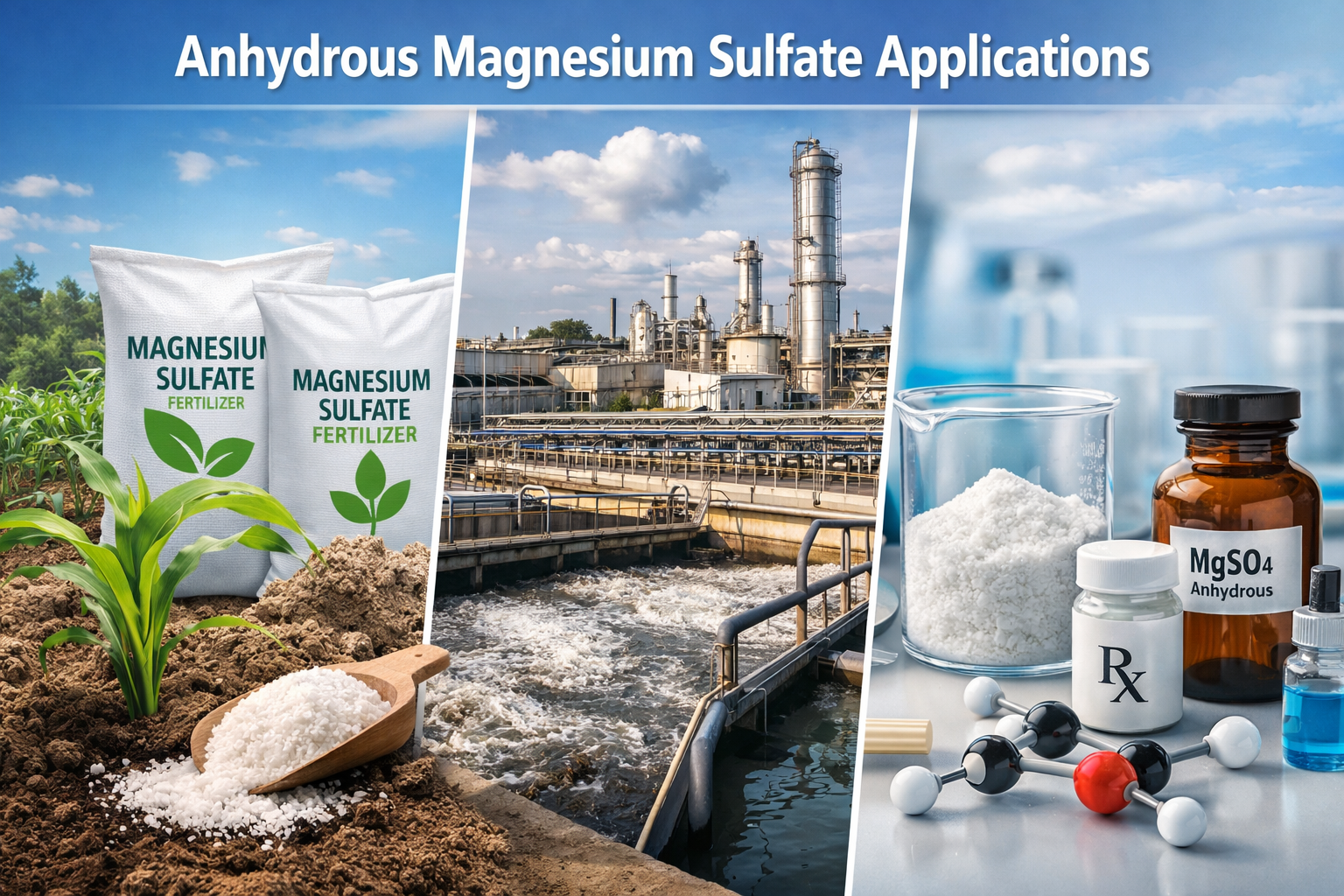
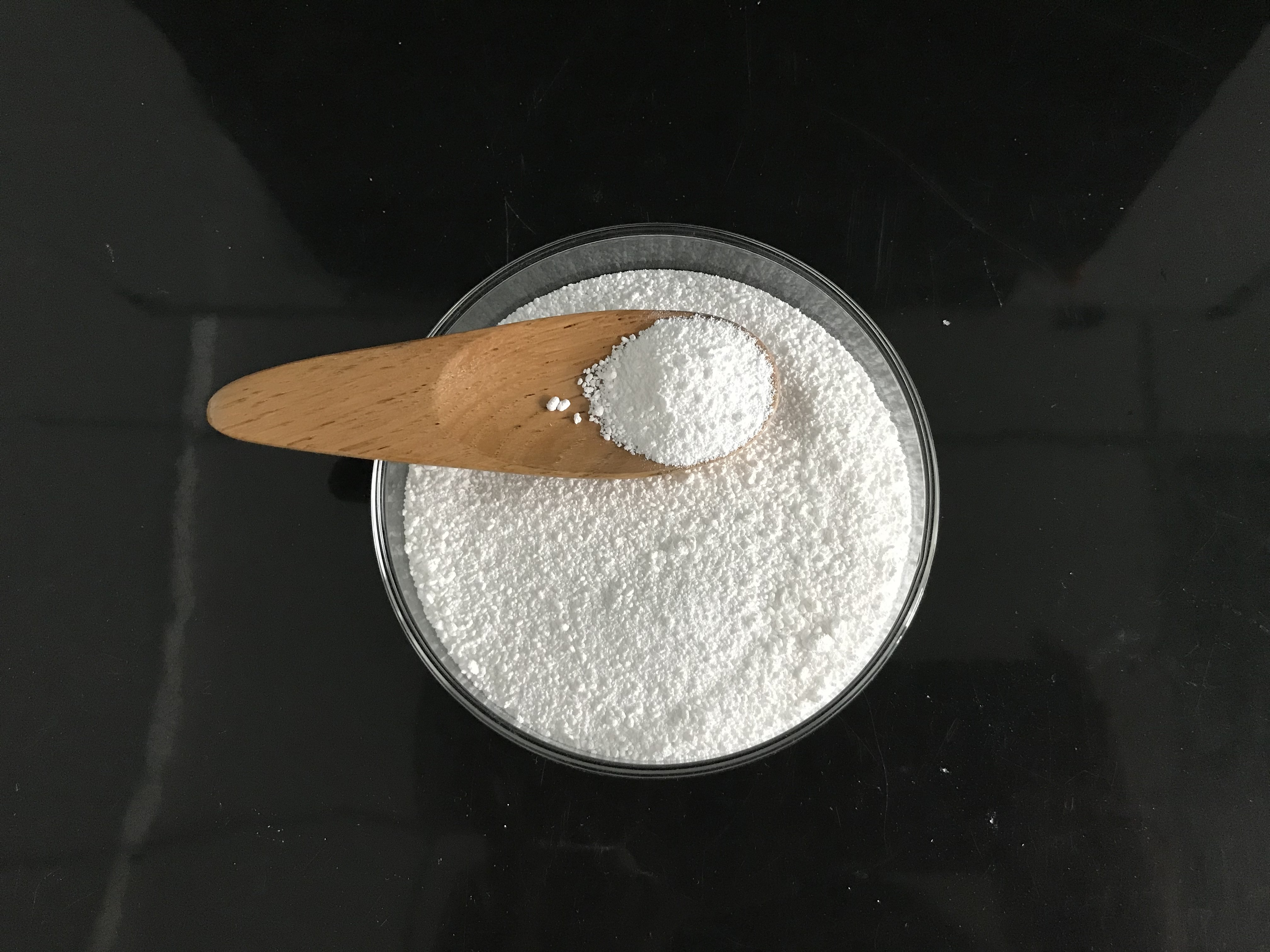
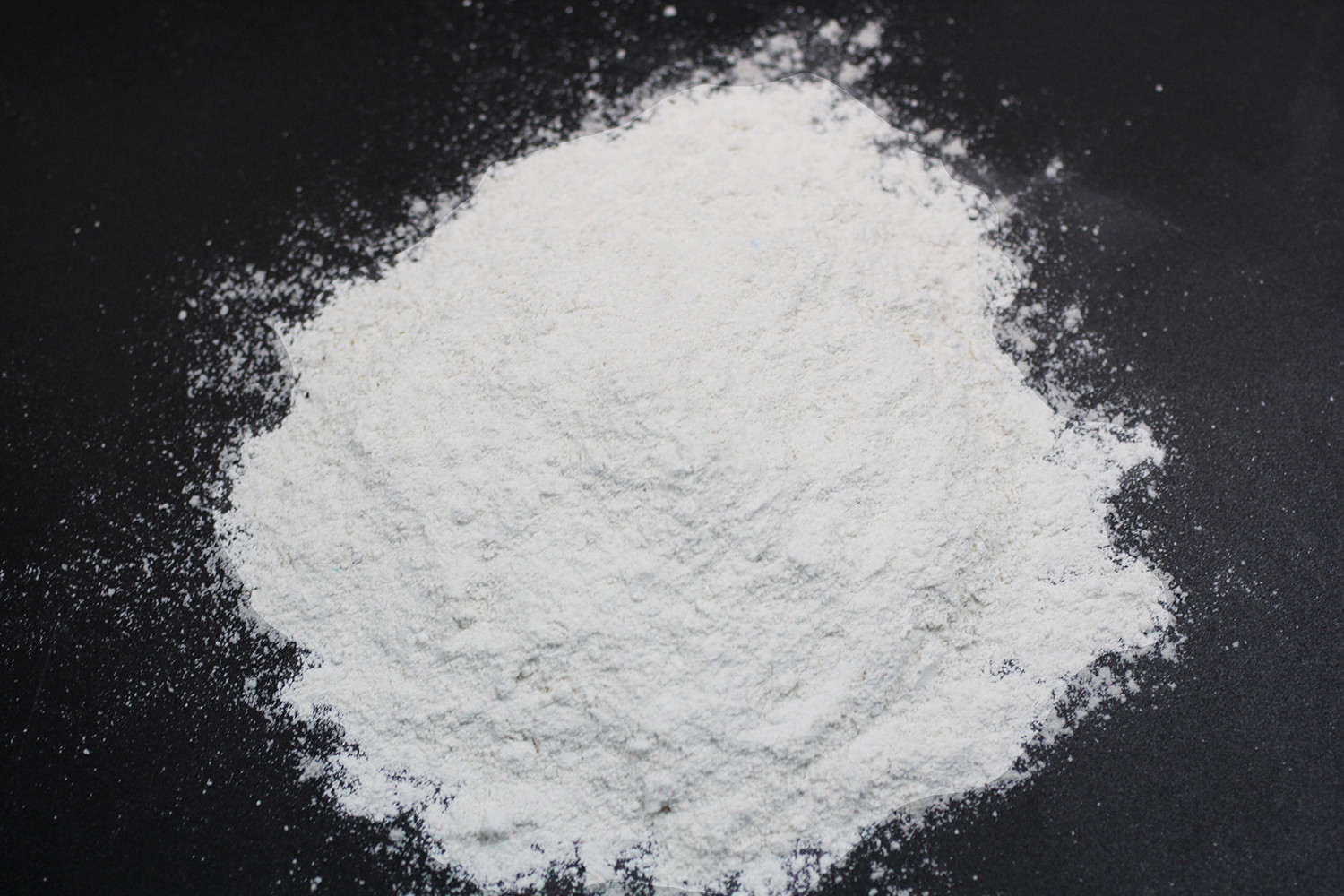
Anhydrous magnesium sulphate(MgSO4) is produced by removing the crystallized water from hydrated magnesium sulfate through a controlled heating process. It typically appears as a white powder or granular solid.
氧化镁是一种无机化合物,化学式为MgO。它是镁和离子化合物的氧化物,在室温下呈白色固体。氧化镁在自然界中以方镁石的形式存在,是炼镁的原料。
Key Properties
● Excellent hygroscopicity (powerful drying capability)
● Chemically stable
● Fast dissolution rate
● Easy to store and transport
● Compatible with many chemical substances
These characteristics make it a reliable functional material in industrial production.
1. Drying Agent — The Primary Application
One of the most well-known uses of magnesium sulphate anhydrous is as a high-efficiency desiccant.
Typical Uses
● Drying organic solvents in chemical synthesis
● Moisture removal in pharmaceutical production
● Dehydration during fine chemical processing
● Gas drying
Why Choose Anhydrous Magnesium Sulphate?
● Rapid water absorption
● High moisture capacity
● Minimal reactivity with most organic compounds
It is often considered a “standard drying agent” in both laboratories and industrial environments.
氧化镁具有很高的耐火和绝缘性能。在1000 ℃以上的温度下燃烧后,它可以转变为晶体,当加热到1500-2000 ℃时,它变成死烧氧化镁(氧化镁)或烧结氧化镁。在高
2. Chemical Industry — A Key Raw Material
In chemical manufacturing, anhydrous magnesium sulphate functions both as a processing aid and as a component in production systems.
Common Applications
● Production of magnesium salts and other sulfates
● Ingredient in catalyst formulations
● Dye and pigment manufacturing
● Stabilizer for industrial explosives
Its chemical stability helps improve product consistency and process reliability.
3. Agriculture — An Efficient Source of Magnesium
氧化镁具有很高的耐火和绝缘性能。在1000 ℃以上的温度下燃烧后,它可以转变为晶体,当加热到1500-2000 ℃时,它变成死烧氧化镁(氧化镁)或烧结氧化镁。在高
Magnesium is essential for chlorophyll formation and healthy plant growth.
Applications
● Raw material for fertilizer production
● Correcting magnesium deficiencies in crops
● Improving soil nutrient balance
Advantages
● High solubility
● Easily absorbed by plants
This contributes to improved crop yield and quality.
4. Environmental Protection — Supporting Sustainable Development
As environmental regulations become stricter, anhydrous magnesium sulfate is increasingly used in pollution control processes.
Applications
● Auxiliary chemical in wastewater treatment
● Moisture and impurity absorption
● Industrial by-product treatment
Its safety and stability make it suitable for environmentally responsible solutions.
Thanks to its excellent moisture absorption, chemical stability, and wide usability, anhydrous magnesium sulphate has become an indispensable material across numerous industries.