
Feed Grade Magnesium Oxide Bioavailability
Feed Grade Magnesium Oxide Bioavailability
Magnesium is the fourth most abundant mineral in the animal body and a cofactor in hundreds of enzyme systems, yet it is routinely under-supplied in ruminant and monogastric diets. Feed grade magnesium oxide is the most concentrated and economical supplement available, but the phrase feed grade covers a very wide range of products. Two magnesium oxide powders can carry the same label and deliver quite different amounts of absorbable magnesium, because bioavailability depends on how the oxide was made and on what it is mixed with in the rumen or the gut.
Why Magnesium Status Matters
In dairy cattle, magnesium is central to the prevention of grass tetany, a hypomagnesaemic condition that appears when animals graze lush, rapidly growing spring pasture. That pasture is typically high in potassium and nitrogen, and excess potassium interferes with magnesium absorption in the rumen. Clinical tetany is sudden and often fatal, while subclinical hypomagnesaemia quietly reduces dry matter intake and milk yield. In monogastrics, magnesium supports bone development, nerve function and energy metabolism, and deficiency shows as reduced growth and poor feed conversion.
What Controls Bioavailability
Solubility in the digestive tract is the primary driver. Feed grade magnesium oxide is produced by calcining magnesite, and the calcination temperature determines the crystal structure and therefore the solubility. Light burned, or caustic calcined, material calcined at lower temperature retains a more open, more reactive structure with a larger surface area and dissolves faster in rumen fluid. Dead burned or hard burned material has been sintered to large, dense periclase crystals and dissolves slowly, making it poorly suited to supplementation even though its MgO percentage is high. Particle size reinforces this effect: finer powder dissolves faster, but very fine powder can also pass through the rumen more quickly.
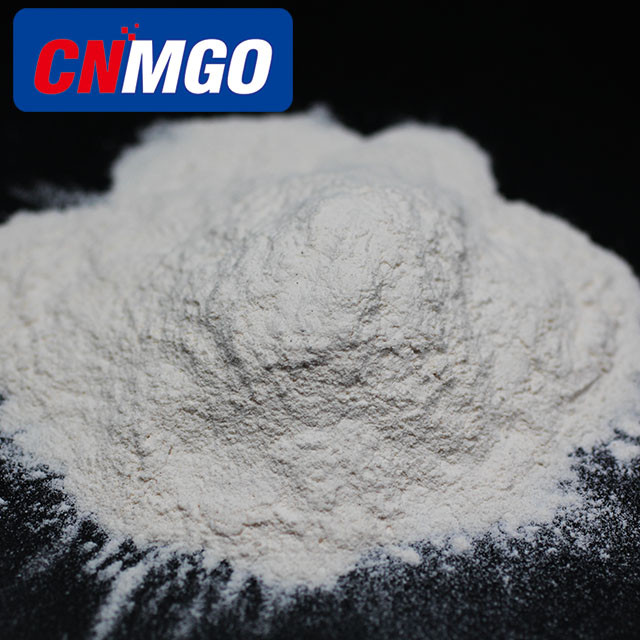
Light burned magnesia powder, the reactive form used in mineral supplements.
Purity and Contaminant Limits
Bioavailability is not the only criterion; safety sets the floor. Feed grade magnesium oxide must be controlled for heavy metals, particularly lead, arsenic, cadmium and mercury, and for fluorine, which can be present in some magnesite deposits. A responsible specification states MgO content, typically 65 to 90 percent for feed and agricultural grades, alongside maximum limits for each heavy metal on a lot-specific basis. Buyers should also check for unwanted sulphur or chloride depending on the formulation, and confirm that the product is produced and handled under a documented system with traceability.
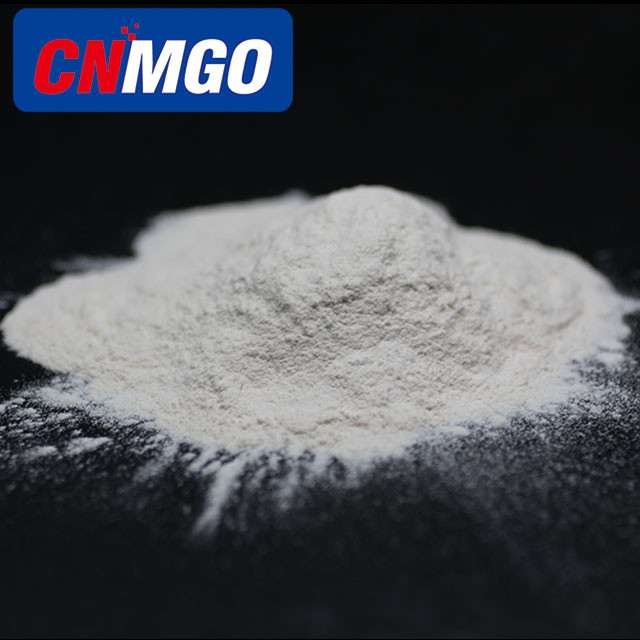
High purity CCM powder, MgO 94 to 98 percent, for high-specification formulations.
Practical Inclusion and Formulation
In dairy rations, magnesium oxide is commonly included to bring total dietary magnesium to around 0.3 to 0.4 percent of dry matter, with higher levels during the tetany-risk window on spring pasture. It is typically delivered through a free-choice mineral mix, a total mixed ration, or a molasses-based lick. Palatability matters: magnesium oxide is bitter, and overly high inclusion or a dusty, unpalatable product reduces intake exactly when supplementation is most needed. Where palatability limits inclusion, using a more bioavailable, more reactive oxide achieves the same magnesium uptake at a lower inclusion rate.
Specifying and Verifying a Feed Grade
Write the specification around four items. First, MgO content on an as-received basis. Second, an indirect measure of reactivity or solubility, since this is what separates a supplement from an inert filler. Third, heavy metal and fluorine ceilings appropriate to your market's feed regulations. Fourth, particle size, so the product blends uniformly into a premix without segregating. On receipt, verify against a lot-specific Certificate of Analysis, retain sealed reference samples from each lot, and periodically confirm results with an independent laboratory.
Storage and Handling on the Farm
A bioavailable product can be degraded by poor storage. Magnesium oxide absorbs moisture and carbon dioxide from the air, and the resulting magnesium hydroxide and carbonate are less soluble, so activity declines the longer a bag sits open in a humid shed. Keep product in its original lined bag, store on pallets off the floor in a dry, ventilated area, reseal part-used bags immediately, and rotate stock on a first-in-first-out basis. Premix manufacturers should also note that magnesium oxide is dense and dusty; blending order and mixing time should be set so the mineral distributes uniformly through the premix rather than settling to the bottom of the batch.
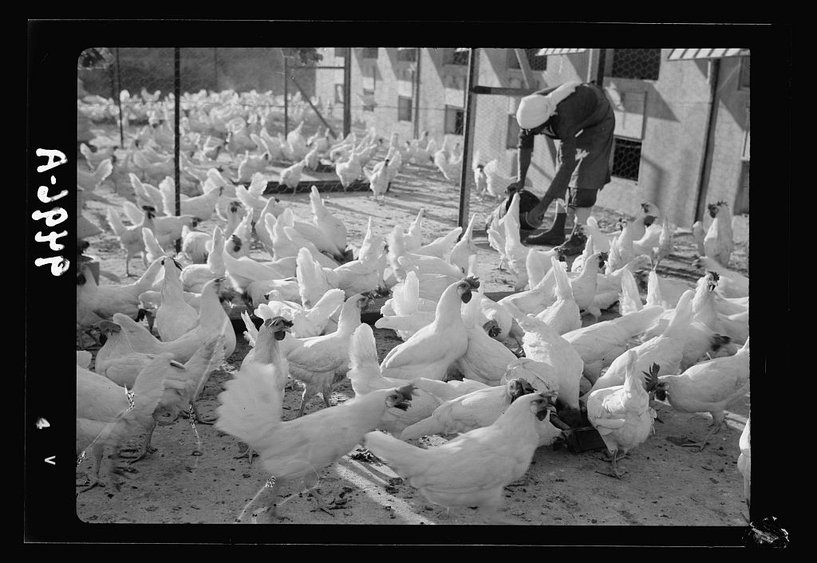
HOLY Perspective
HOLY (CNMGO Group Limited) supplies light burned magnesia and high purity caustic calcined magnesite from Dashiqiao in Liaoning to feed and agricultural customers in more than 50 countries. Tell us your target dietary magnesium level and regulatory limits and we will recommend a grade with the reactivity and documentation to match.