
Kieserite vs Epsom Salt: Which Magnesium Fertilizer Is Right for Your Farm?
Kieserite vs Epsom Salt: Which Magnesium Fertilizer Is Right for Your Farm?
Choosing the right magnesium fertilizer can significantly impact your crop yield and farm profitability. Two of the most popular magnesium sources — kieserite (magnesium sulphate monohydrate, MgSO₄·H₂O) and epsom salt (magnesium sulphate heptahydrate, MgSO₄·7H₂O) — offer distinct advantages depending on your soil type, crop, and application method. This comprehensive comparison will help you make an informed decision.

Chemical Composition: What's the Difference?
| Parameter | Kieserite (MgSO₄·H₂O) | Epsom Salt (MgSO₄·7H₂O) |
|---|---|---|
| Formula | MgSO₄·H₂O | MgSO₄·7H₂O |
| MgO Content | 20-25% | 16-17% |
| Mg Content | ~12-15% | ~9.7-10% |
| Sulfur Content | ~20-22% S | ~12-13% S |
| Water Solubility | Slow to moderate | Very fast (fully soluble) |
| Physical Form | Granular or powder | Crystalline (various sizes) |
| Relative Cost per kg Mg | Lower | Higher |
When to Choose Kieserite (MgSO₄·H₂O)
Kieserite offers several advantages for specific farming scenarios:
- Higher Mg concentration — More magnesium per kilogram means lower transport and application costs
- Slow-release properties — Gradual dissolution provides sustained nutrition over several weeks
- Ideal for soil application — Granular form works well with standard fertilizer spreaders
- Better for sandy soils — Slower dissolution reduces leaching losses in light soils
- Cost-effective — Lower cost per unit of Mg makes it economical for broadacre application
- Higher sulfur content — More S per kg benefits sulfur-demanding crops like canola and cereals
When to Choose Epsom Salt (MgSO₄·7H₂O)
Epsom salt excels in these situations:
- Foliar application — Rapid absorption through leaves corrects acute Mg deficiency quickly
- Fertigation systems — Fully soluble, ideal for drip irrigation and hydroponic systems
- High-value crops — Fruit, vegetables, and greenhouse crops benefit from precise Mg management
- Organic farming — Approved for organic production under USDA, EU, and JAS standards
- Quick correction — Fast-acting for emergency deficiency treatment during the growing season

Crop-Specific Recommendations
Cereals (Wheat, Barley, Oats)
Kieserite at 50-100 kg/ha before planting provides baseline Mg nutrition. Supplement with foliar epsom salt (2-3% solution) at tillering if deficiency symptoms appear.
Potatoes & Root Crops
Apply kieserite at 100-150 kg/ha incorporated before planting. Potato crops particularly benefit from the sulfur component, which improves tuber quality.
Fruit Trees & Vines
Epsom salt applied through fertigation (5-10 kg/ha/week) or as foliar spray (2% solution) during fruit development improves sugar content, color, and shelf life.
Vegetables & Greenhouse
Epsom salt is preferred for greenhouse fertigation due to its rapid solubility. Apply 2-5 kg/ha/day through drip irrigation for optimal results.

HOLY CNMGO's Complete Magnesium Sulphate Range
As a leading magnesium manufacturer, HOLY CNMGO offers both kieserite and epsom salt products with consistent quality:
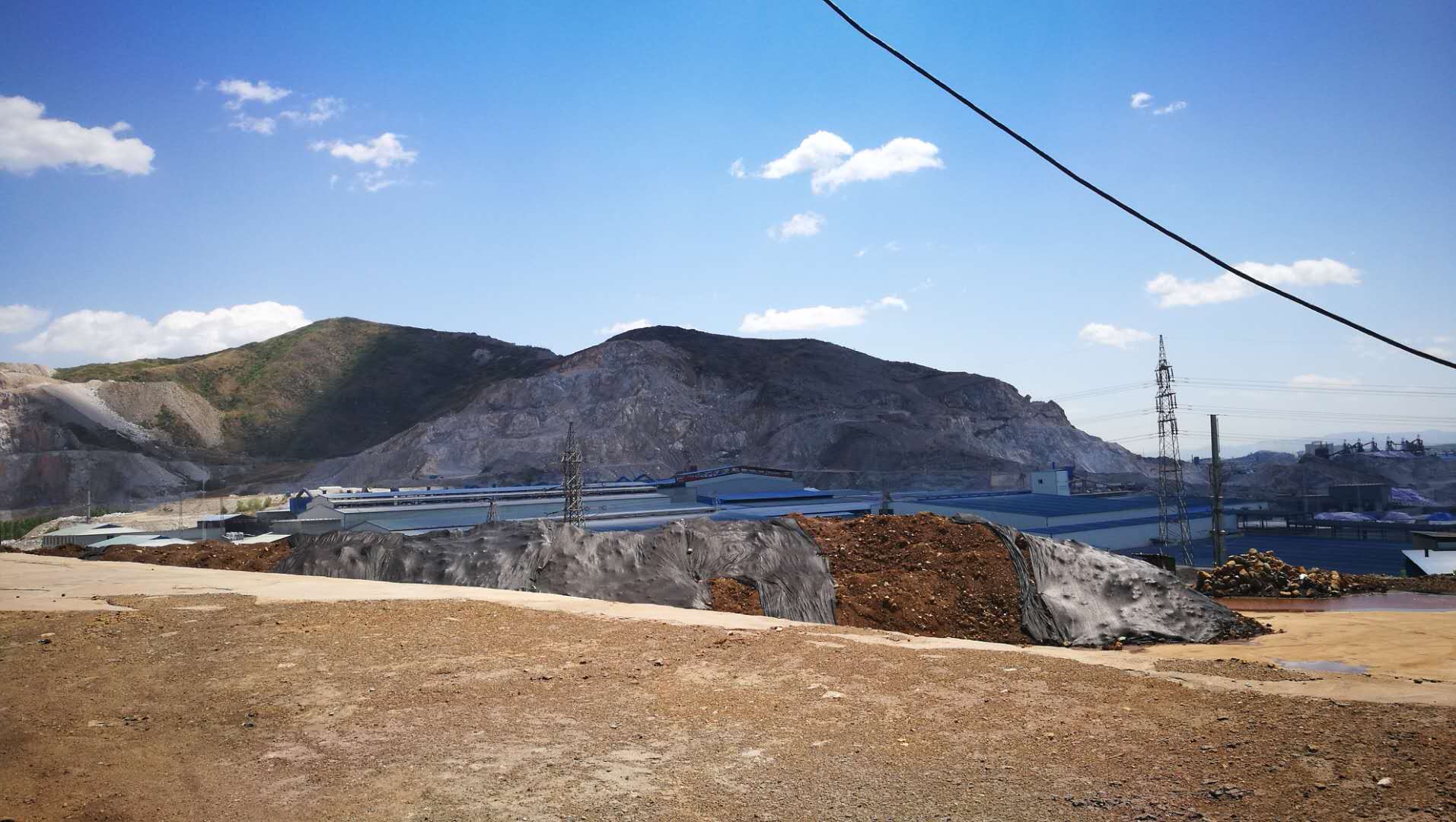
Kieserite (MgSO₄·H₂O)
20-25% MgO, granular form for soil application. 150,000 MT/year capacity. Ideal for broadacre farming.

Epsom Salt (MgSO₄·7H₂O)
16-17% MgO, available in multiple crystal sizes (0.1-1mm, 1-3mm, 2-4mm, 4-7mm). 150,000 MT/year capacity.

Custom Solutions
Custom particle size, packaging, and blended formulations available for specific customer requirements.
Cost Comparison: Kieserite vs Epsom Salt
When comparing costs, it's essential to evaluate the cost per unit of actual magnesium (Mg), not just the product price:
- Kieserite: Typically 20-40% lower cost per kg of Mg compared to epsom salt
- Epsom salt: Higher per-unit Mg cost but offers faster action and greater versatility
- Transportation: Kieserite has a significant advantage — less water content means more Mg per shipped ton
- Application cost: Kieserite requires fewer passes for soil application; epsom salt requires more frequent foliar applications
For most broadacre farmers, kieserite represents the most cost-effective choice for baseline Mg nutrition, while epsom salt is ideal for targeted correction and high-value crop management.
Decision Flowchart
Ask yourself these questions to determine the right product:
- Is this for soil or foliar application? → Soil: kieserite | Foliar: epsom salt
- Is this preventative or corrective? → Preventative: kieserite | Corrective: epsom salt
- Do you have fertigation equipment? → Yes: epsom salt | No: kieserite
- Is cost per kg of Mg your primary concern? → Yes: kieserite
- Are you farming organically? → Both are suitable, but epsom salt is more commonly specified
Summary
Both kieserite and epsom salt are excellent magnesium fertilizers, but they serve different purposes. Kieserite is the more economical choice for soil application and baseline Mg nutrition, while epsom salt excels in fertigation, foliar application, and rapid deficiency correction. Many farmers use both products strategically as part of a comprehensive crop nutrition program.
HOLY CNMGO offers both products at competitive factory-direct prices. Browse our complete product range or contact our technical team for personalized recommendations based on your specific crops and soil conditions.