
Magnesium Oxide Export Packaging: Bags Compared
Magnesium Oxide Export Packaging: Bags Compared
Magnesium oxide is hygroscopic. Left exposed to humid air it absorbs moisture and carbon dioxide, and the consequences are measurable: caking in the bag, loss of flow, a slow decline in reactivity for caustic calcined grades, and in severe cases a hardened product that has to be broken up before use. Export packaging is therefore not a cosmetic decision but part of the product specification. Choosing the wrong bag for a long sea voyage to a humid destination can undo the work done on chemistry and grading.
What the Packaging Has to Survive
An export shipment of magnesium oxide passes through several stress points. It is filled, palletised and trucked to port; it sits in a container through a voyage that may cross several climate zones; it is discharged, often in a tropical port with high relative humidity; and it may then wait in an unconditioned warehouse. Through all of this the packaging must resist moisture ingress, survive stacking and handling without tearing, allow safe discharge at the destination, and carry clear, durable identification and batch traceability.
25 kg and 50 kg Bags
Small bags are the default for customers who dose manually, who resell in smaller lots, or whose receiving equipment is designed around manual handling. A 25 kg bag is comfortable to handle by one person and suits laboratory, feed and small-batch industrial use; a 50 kg bag halves the number of units handled per tonne and is standard for larger industrial consumers. Multiwall paper or woven polypropylene with an inner polyethylene liner gives reasonable moisture protection, and the liner should be specified by thickness and by closure method, since a poorly sealed liner defeats the barrier. For added protection, bags can be stretch-wrapped on a pallet or shipped with an outer shrink hood.
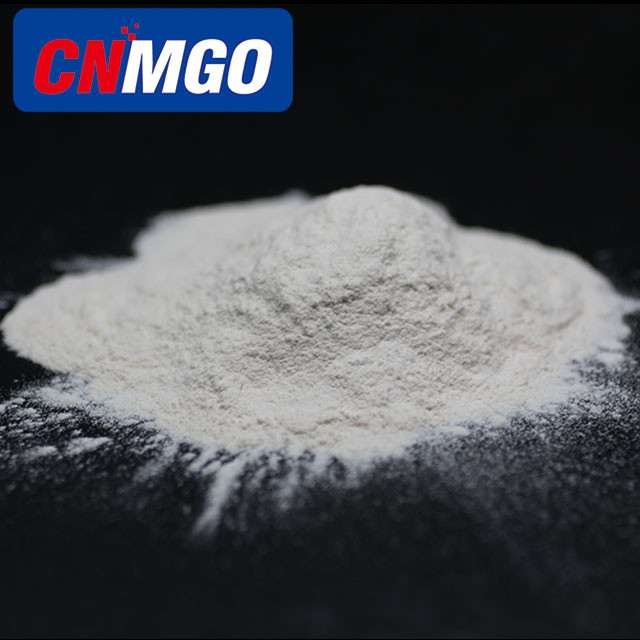
Bagged CCM powder prepared for export shipment.
Jumbo Bags and Container Liners
For continuous industrial consumers, jumbo bags (FIBCs, typically 500 to 1500 kg) are the most economical option. They reduce unit handling, cut packaging cost per tonne, and discharge efficiently through a spout into a hopper or big-bag discharger. Specify the fabric coating, an inner liner, the fill and discharge spout configuration, the safe working load and the safety factor, and whether the bag is single-trip or certified for multiple trips. Where volumes justify a full container, a container liner with a moisture barrier converts the whole box into one large bag, minimising packaging cost and product contact with ambient air, but it requires compatible discharge equipment at destination.
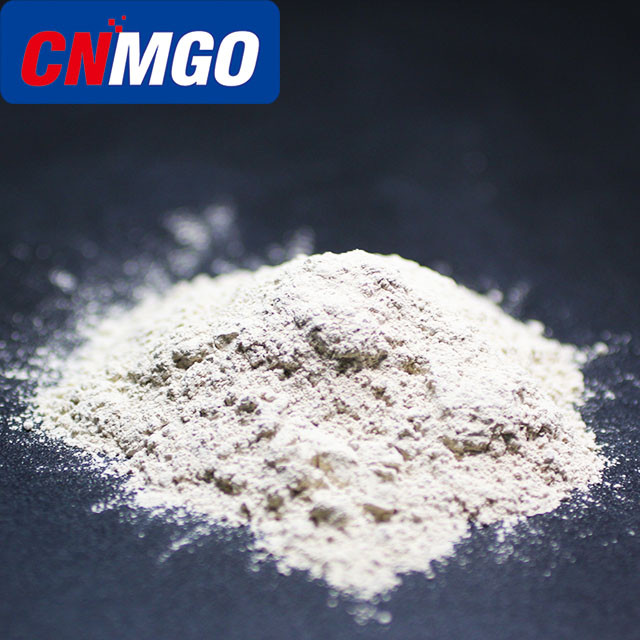
DBM powder, a dense product where jumbo bag discharge works well.
Comparing the Options
| Option | Best for | Main advantage | Main limitation |
|---|---|---|---|
| 25 kg bag | Manual dosing, resale | Easy handling, flexible | Highest cost per tonne |
| 50 kg bag | Regular industrial use | Balanced cost and handling | Heavy manual work |
| Jumbo bag | Continuous consumption | Lowest handling cost | Needs discharger equipment |
| Container liner | Full-container volume | Lowest packaging cost | Requires bulk discharge setup |
Match the choice to your receiving infrastructure as much as to price. A jumbo bag delivered to a plant with no lifting equipment becomes a manual problem rather than a saving.
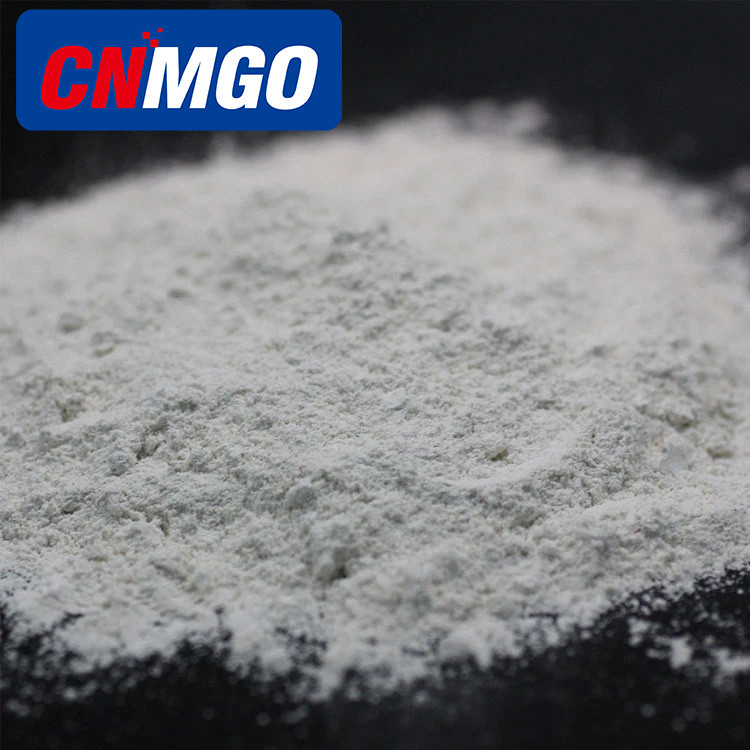
Kieserite powder, packed for moisture-sensitive agricultural and industrial markets.
Specifying Packaging on the Order
Put packaging in the contract, not in an email. State bag type and size, liner thickness and closure, pallet type and whether pallets are heat-treated, stretch wrap or hood, bags per pallet, net weight tolerance, and the marking requirements including product name, grade, net weight, batch or lot number and country of origin. For hygroscopic grades add a moisture-barrier requirement and confirm the container will be lined or fitted with desiccant where the route warrants it. Also agree the Incoterm, since the point at which risk transfers determines who owns a moisture problem discovered on arrival.
Common Packaging Failures and How to Prevent Them
Most claims are preventable. Caking and hardening point to moisture ingress through a damaged or badly sealed liner, so specify liner thickness, heat-sealed or tie-closed liners, and desiccant where the route is humid. Torn or split bags usually indicate insufficient fabric strength or overloading above the safe working load, so confirm the safety factor and the stacking height used in the container. Condensation inside the container, sometimes called container rain, occurs when warm humid air meets a cooled surface during a temperature swing; container liners, desiccant and avoiding loading during heavy rain reduce it. Illegible or missing markings cause customs and traceability problems, so require durable printed markings and batch numbers. Photographing the container at loading and on arrival is a low-cost step that resolves most disputes quickly.
HOLY Perspective
HOLY (CNMGO Group Limited) ships CCM, DBM, fused magnesia and magnesium sulphate from Dalian to more than 50 countries in 25 kg, 50 kg and jumbo bag formats with moisture-protected packing and full batch documentation. Tell us your destination climate and discharge setup and we will recommend the packaging that protects the product in transit.