
Magnesium Sulphate: Foliar vs Drip Irrigation
Magnesium Sulphate: Foliar vs Drip Irrigation
Magnesium deficiency is one of the most misdiagnosed problems in commercial horticulture and field cropping. Interveinal chlorosis on older leaves is often assumed to be nitrogen or iron, yet the underlying cause is frequently a magnesium shortfall, especially on acidic, sandy or heavily potassium-fertilised soils. Once the deficiency is confirmed, the next decision is delivery: a foliar spray onto the leaf, or magnesium sulphate fed through a drip system. Both work, but they solve different problems on different timescales.
Why Magnesium Matters at This Stage
Magnesium is the central atom of the chlorophyll molecule and activates the enzymes that drive photosynthesis and carbohydrate transport. A crop short of magnesium cannot move sugars out of the leaves, so fruit fill and root growth suffer even when nitrogen and potassium are adequate. Sulphur, delivered alongside magnesium in magnesium sulphate, is itself essential for protein synthesis and is increasingly limiting in modern high-analysis fertiliser programmes. Crops with the highest magnesium demand include tomato, pepper, potato, banana, oil palm, citrus, grapevine and maize.
Foliar Application: The Fastest Correction
Foliar spraying is the emergency tool. Magnesium applied to the leaf enters through the cuticle and stomata and can show visible greening within days, which matters when a deficiency appears mid-season and yield is still recoverable. Practical rates for magnesium sulphate heptahydrate solutions are commonly in the range of 1 to 2 percent w/v, applied in 300 to 600 litres of water per hectare depending on canopy size. Spray in the early morning or late afternoon to slow evaporation and avoid leaf scorch, use a good wetting agent, and never apply during peak heat or when the crop is water-stressed. Foliar feeding has a hard ceiling, however: a single spray can only deliver a few hundred grams of actual magnesium per hectare, so it corrects symptoms rather than rebuilding soil reserves.
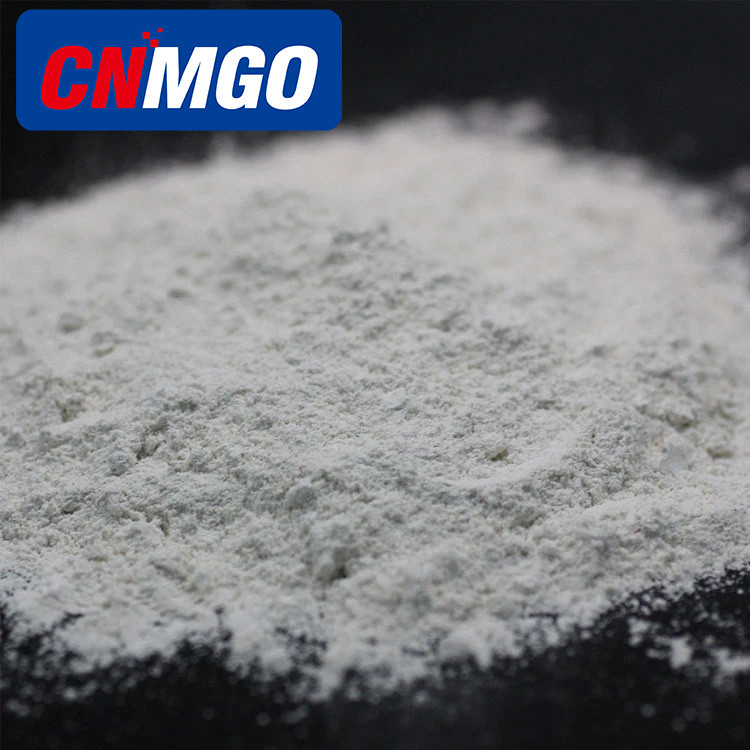
Magnesium sulphate monohydrate (kieserite) powder, water-soluble Mg and S source.
Drip Irrigation: Sustained Supply Through the Root
Fertigation through drip delivers magnesium and sulphur continuously to the root zone, which is where uptake is most efficient. Because the nutrient arrives in small, frequent doses matched to crop demand, drip application avoids the leaching losses that follow a single heavy broadcast on sandy soil and avoids the fixation that can occur in high-pH soils. Typical programmes for high-value horticulture inject soluble magnesium at rates delivering 10 to 30 kg of MgO equivalent per hectare across the season, split into weekly or per-irrigation doses. The practical requirements are straightforward but non-negotiable: the product must dissolve completely, it must not precipitate with calcium or phosphate in the same stock tank, and it must pass through the filtration and emitter system without blocking it.
Solubility, Compatibility and Water Quality
Water chemistry determines whether fertigation works. In hard water with high calcium and bicarbonate, sulphate and carbonate salts can precipitate and scale emitters; acidifying the injection water or separating magnesium from calcium and phosphate injections solves most of this. Always test compatibility by mixing the actual concentrations in a jar before committing a tank. Monohydrate (kieserite) and heptahydrate grades are both used for fertigation; the monohydrate carries more magnesium per tonne, which lowers freight and storage cost per unit of nutrient, while the heptahydrate dissolves faster in cold water.
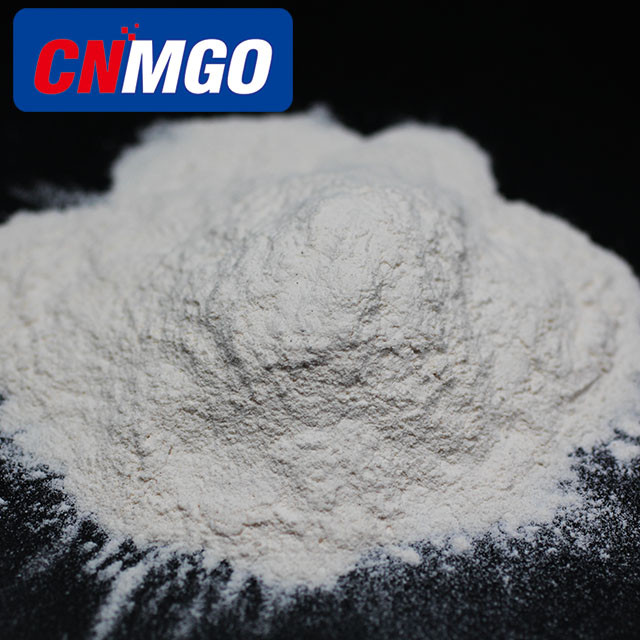
Agricultural light burned magnesia, MgO 65 to 80 percent, for basal soil correction.
Combining the Two Approaches
The most robust programmes use both routes for different jobs. Build the base with a soil or basal application: kieserite or agricultural light burned magnesia incorporated before planting raises soil magnesium status for the whole season. Use drip fertigation to maintain supply through peak demand. Reserve foliar spraying as the rapid intervention when tissue tests or visible symptoms show a mid-season shortfall. This layered approach costs less than relying on foliar alone and responds faster than relying on soil application alone.
Diagnosing Deficiency Before You Spend
Both application routes cost money, so confirm the diagnosis first. Visual symptoms are a starting point: magnesium deficiency appears as interveinal chlorosis on the older, lower leaves first, because magnesium is mobile within the plant and is remobilised to new growth. This distinguishes it from iron deficiency, which shows on the youngest leaves. Confirm with leaf tissue analysis taken at a defined growth stage, and pair it with a soil test that reports exchangeable magnesium and, critically, the potassium to magnesium ratio. Where the soil ratio is skewed heavily toward potassium, additional potash will keep suppressing magnesium uptake no matter how much magnesium you apply, so rebalancing the base saturation is part of the fix.

HOLY Perspective
HOLY (CNMGO Group Limited) supplies magnesium sulphate monohydrate (kieserite) with W. MgO 20, 23 and 25 percent minimum, plus agricultural light burned magnesia, from Dashiqiao in Liaoning to more than 50 countries. Share your crop, water analysis and target MgO rate per hectare and we will recommend a grade and application split that fits your programme.