
Shaft Kiln vs Flash Kiln Magnesium Oxide Reactivity BY:Amber
Shaft Kiln vs Flash Kiln Magnesium Oxide Reactivity什么是氧化镁?
The production method of magnesium oxide plays a decisive role in determining its chemical reactivity, particle structure, and downstream application performance. In industrial magnesium compounds manufacturing, especially in magnesium sulfate production, the choice between shaft kiln magnesium oxide and flash kiln magnesium oxide directly affects reaction efficiency, energy consumption, and final product quality. Understanding how different calcination technologies influence magnesium oxide reactivity is essential for producers seeking consistent quality and cost-effective operations.氧化镁是一种无机化合物,化学式为MgO。它是镁和离子化合物的氧化物,在室温下呈白色固体。氧化镁在自然界中以方镁石的形式存在,是炼镁的原料。
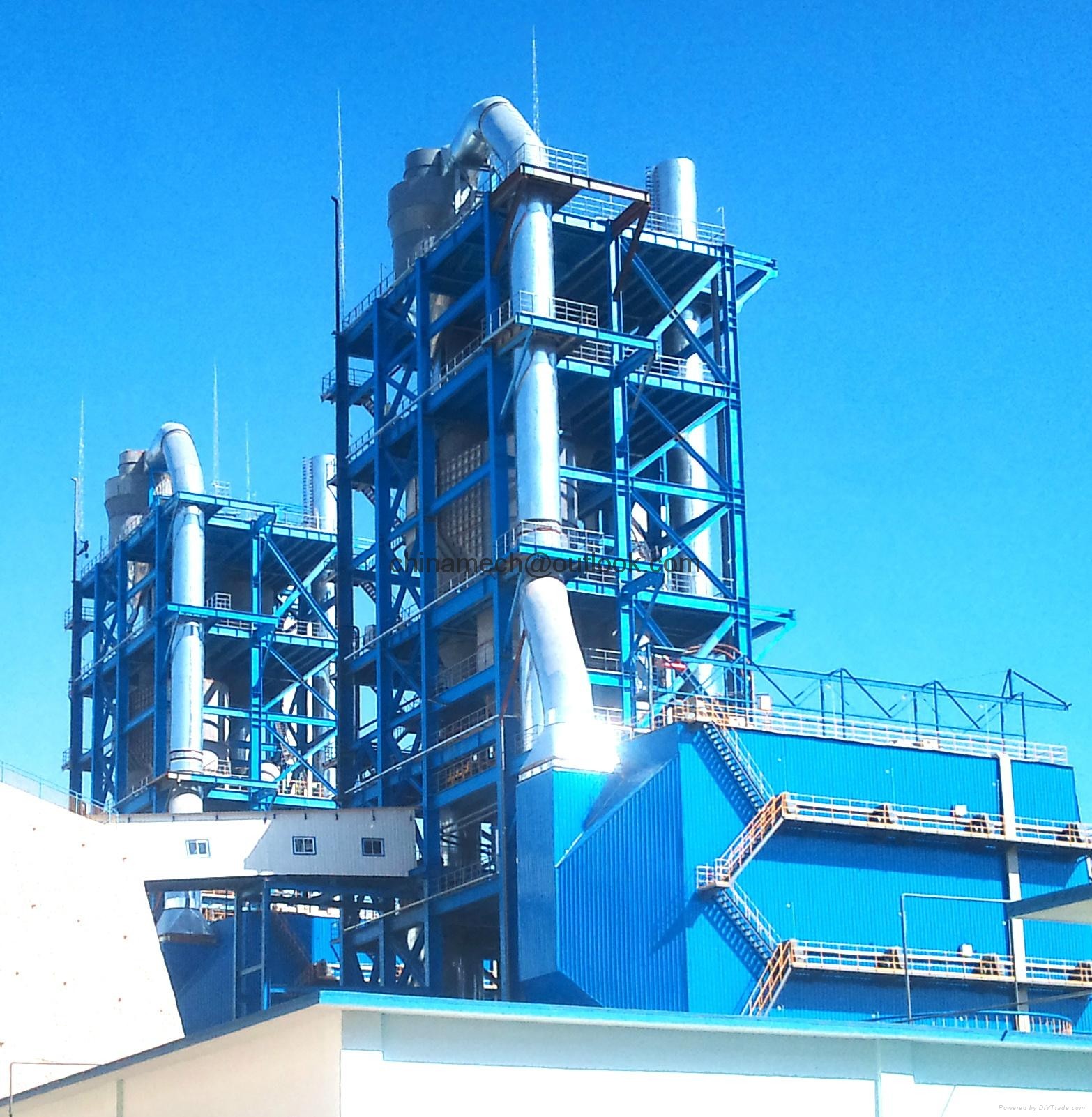
Shaft kiln magnesium oxide is produced through traditional vertical kiln calcination at relatively lower and more stable temperatures over longer residence times. This process typically results in magnesium oxide with larger crystal size, lower surface area, and moderate reactivity. Such characteristics make shaft kiln products more stable during storage and transportation, reducing premature hydration or carbonation. However, due to its lower magnesium oxide reactivity, the dissolution rate in sulfuric acid is slower, which may extend reaction time in magnesium sulfate production. Despite this, shaft kiln material is often preferred where controlled reaction speed and uniform product quality are required, especially in continuous or large-scale production systems.氧化镁具有很高的耐火和绝缘性能。在1000 ℃以上的温度下燃烧后,它可以转变为晶体,当加热到1500-2000 ℃时,它变成死烧氧化镁(氧化镁)或烧结氧化镁。在高
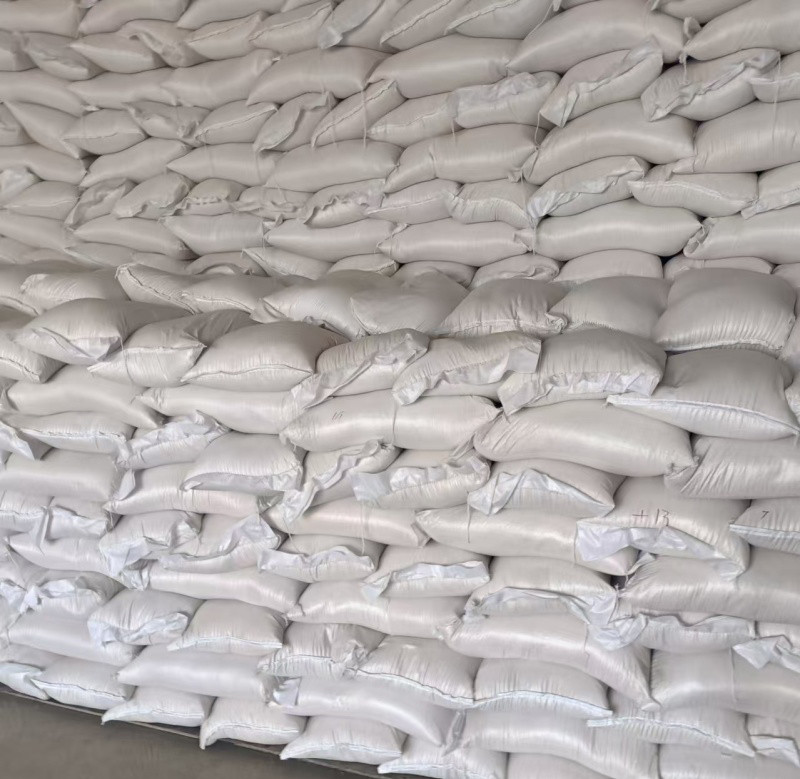
Shaft kiln magnesium oxide is produced through traditional vertical kiln calcination at relatively lower and more stable temperatures over longer residence times. This process typically results in magnesium oxide with larger crystal size, lower surface area, and moderate reactivity. Such characteristics make shaft kiln products more stable during storage and transportation, reducing premature hydration or carbonation. However, due to its lower magnesium oxide reactivity, the dissolution rate in sulfuric acid is slower, which may extend reaction time in magnesium sulfate production. Despite this, shaft kiln material is often preferred where controlled reaction speed and uniform product quality are required, especially in continuous or large-scale production systems.氧化镁具有很高的耐火和绝缘性能。在1000 ℃以上的温度下燃烧后,它可以转变为晶体,当加热到1500-2000 ℃时,它变成死烧氧化镁(氧化镁)或烧结氧化镁。在高
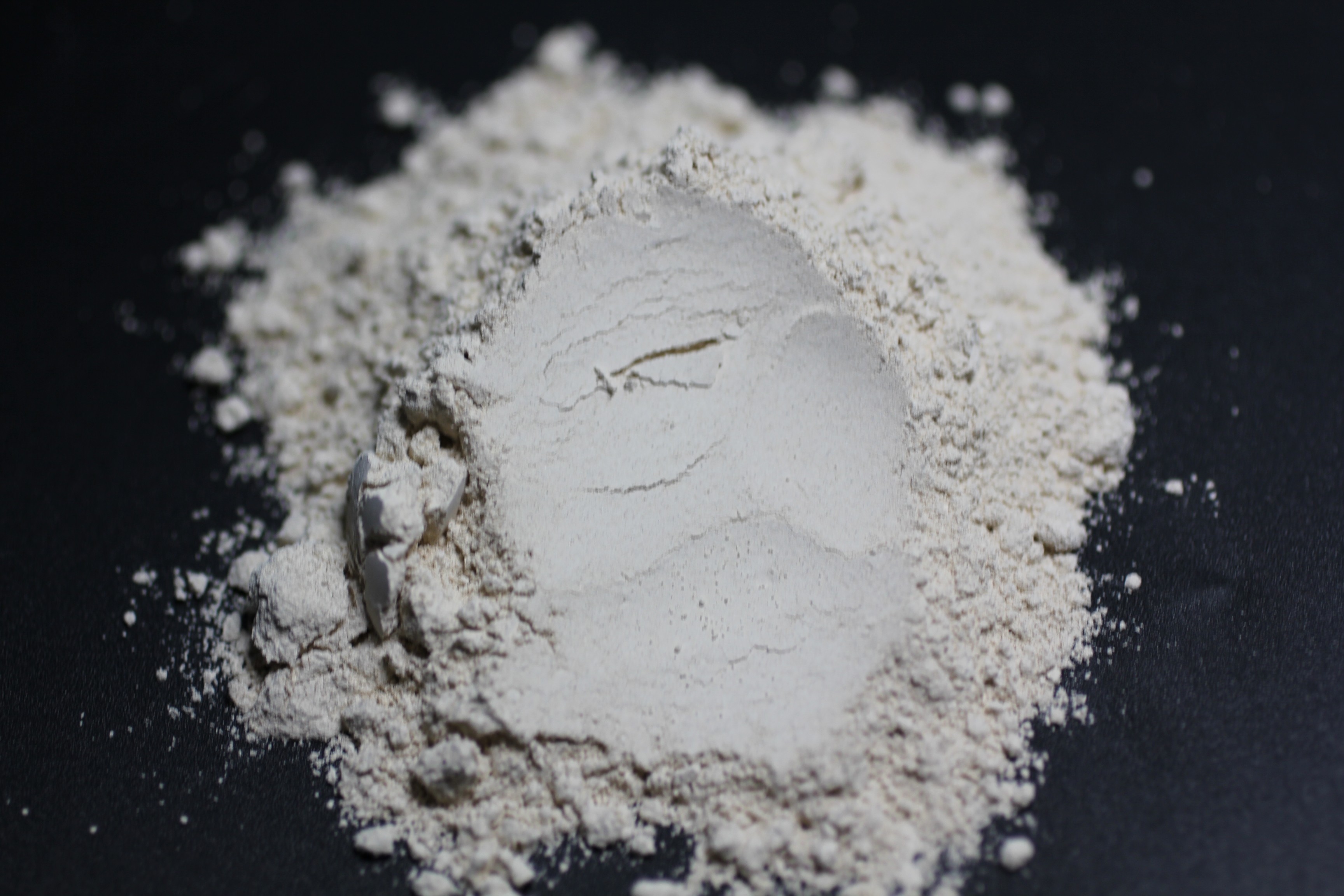
From a process optimization perspective, selecting the appropriate magnesium oxide depends on balancing calcination process, reactivity requirements, and product performance goals. While flash kiln magnesium oxide improves reaction speed and energy efficiency, shaft kiln magnesium oxide provides better operational stability and lower risk of uncontrolled reactions. Many manufacturers tailor their choice based on reactor design, acid concentration, and desired crystal quality of magnesium sulfate. By carefully matching magnesium oxide characteristics to production conditions, companies can improve yield consistency, reduce waste, and enhance overall process reliability in industrial magnesium compound manufacturing.