
Why Magnesium Deficiency in Soil Is Costing Farmers Billions — And How to Fix It
Why Magnesium Deficiency in Soil Is Costing Farmers Billions — And How to Fix It
Magnesium (Mg) is one of the most overlooked yet essential nutrients in crop production. While farmers focus heavily on nitrogen, phosphorus, and potassium (NPK), magnesium deficiency silently reduces crop yields worldwide, costing the agricultural industry billions of dollars annually. This comprehensive guide explores the scale of the problem, how to identify magnesium deficiency, and the most effective solutions — including high-quality magnesium oxide products from HOLY CNMGO.
The Global Scale of Magnesium Deficiency
According to research published by the International Fertilizer Association, approximately 60% of agricultural land worldwide suffers from magnesium deficiency to some degree. This problem is particularly acute in:
- Sandy soils — where Mg is easily leached by rainfall
- Acid soils — with pH below 5.5, where Mg availability drops sharply
- Intensively farmed soils — where continuous cropping depletes Mg reserves
- Tropical and subtropical regions — with high rainfall and weathered soils
- Soils with high K⁺ or NH₄⁺ levels — where cation competition reduces Mg uptake

The Economic Impact: Billions in Lost Revenue
Magnesium deficiency directly impacts farm profitability through multiple channels:
20-50% Yield Reduction
Magnesium-deficient crops experience yield losses of 20-50%, depending on crop type and severity. For staple crops like wheat, maize, and rice, this translates to millions of tons of lost grain annually.
$5-10 Billion Annual Loss
Global economic losses from Mg deficiency are estimated at $5-10 billion per year, factoring in reduced yields, lower crop quality, and increased input costs.
Reduced Crop Quality
Beyond yield, Mg deficiency reduces protein content in grains, oil content in oilseeds, and sugar content in fruits — diminishing market value.
How to Identify Magnesium Deficiency in Crops
Magnesium is a mobile nutrient in plants, meaning deficiency symptoms appear first in older leaves. Key visual indicators include:
- Interveinal chlorosis — Yellowing between leaf veins while veins remain green, the classic symptom of Mg deficiency
- Leaf curling and necrosis — In severe cases, leaf margins curl upward and develop brown dead patches
- Stunted growth — Reduced internode length and overall plant height
- Premature leaf drop — Older leaves fall off prematurely, reducing photosynthetic capacity
- Poor fruit development — Smaller fruits with reduced sugar and flavor intensity

Magnesium Fertilizer Solutions: MgO vs MgSO₄
Two primary types of magnesium fertilizers are available, each with specific advantages depending on the application:
Magnesium Oxide (MgO) — Slow-Release Solution
- Contains 65-80% MgO depending on grade (Agricultural MgO)
- Slow-release mechanism provides sustained nutrition over weeks to months
- Ideal for soil application before planting or as a top dressing
- Most cost-effective Mg source per unit of Mg
- Preferred for acidic soils where it also helps raise pH
Magnesium Sulphate (MgSO₄) — Fast-Acting Solution
- Available as kieserite (MgSO₄·H₂O, 20-25% MgO) and epsom salt (MgSO₄·7H₂O, 16% MgO)
- Fully water-soluble for rapid plant uptake
- Excellent for foliar application to correct acute deficiencies
- Ideal for fertigation systems
- Also provides sulfur, an essential secondary nutrient

HOLY CNMGO's Agricultural Magnesium Products
As a leading Chinese manufacturer of magnesium products, HOLY CNMGO offers a complete range of agricultural-grade magnesium fertilizers to address every farming need:

Agricultural MgO 65-80%
For soil correction, crop nutrition, and animal feed supplementation. Factory direct pricing, trusted in 50+ countries.

CCM Granular 0.3-2mm
Slow-release MgO granules ideal for soil conditioning and fertilizer blending. 80,000 MT/year production capacity.
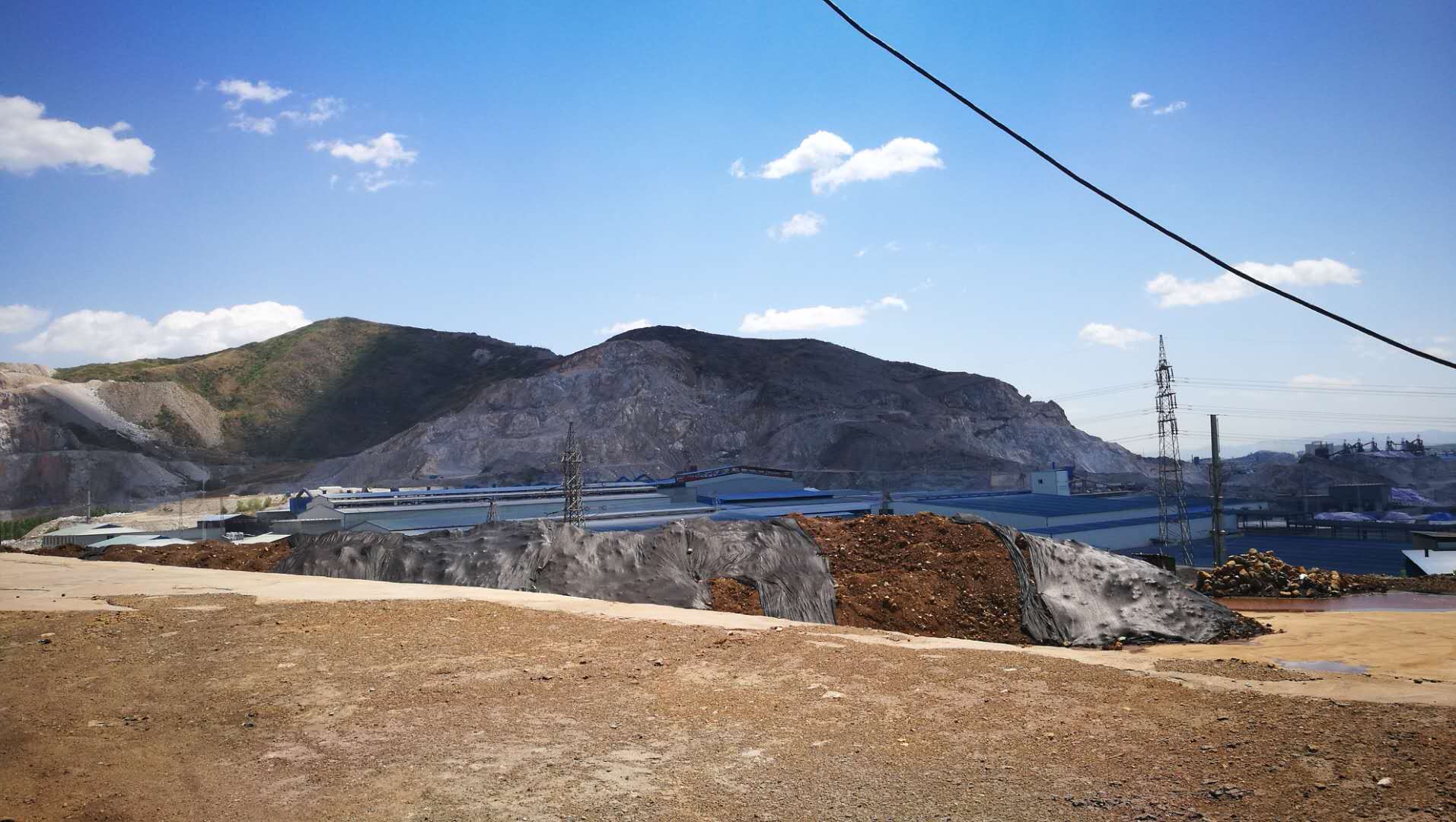
MgSO₄ Products (Kieserite & Epsom Salt)
Water-soluble magnesium sulphate for fertigation and foliar application. Available in multiple crystal sizes.
Application Recommendations by Crop Type
Cereals & Grains (Wheat, Maize, Rice)
Apply 30-60 kg/ha MgO as a basal dressing before sowing. For acute deficiency, follow with a foliar spray of 2% MgSO₄ solution at tillering.
Fruit & Vegetable Crops
Apply 40-80 kg/ha MgO incorporated into soil before planting. Supplementary foliar MgSO₄ sprays (3-4 applications during growing season) significantly improve fruit quality and yield.
Oil Palm & Plantation Crops
Require 1-3 kg MgO per tree per year, applied as granular MgO or kieserite. Regular Mg fertilization increases oil yield by 15-25%.
Pasture & Forage
Apply 20-40 kg/ha MgO annually to maintain optimal Mg levels for livestock grazing. This helps prevent grass tetany in ruminants.

Why Choose HOLY CNMGO for Your Magnesium Needs?
- Factory-direct pricing — No middlemen, competitive FOB prices from Dalian port
- Consistent quality — Rigorous quality control with ISO certification
- Massive production capacity — 200,000 MT/year CCM, 150,000 MT/year MgSO₄
- Global logistics — Shipping to 50+ countries from Dalian and Yingkou ports
- Custom specifications — Particle size, packaging, and formulation tailored to your needs
Contact us today to discuss your magnesium fertilizer requirements. Our technical team can help you select the right product and application rate for your specific crops and soil conditions.
Learn more about our complete product range on our products page or contact our team for personalized recommendations.
Frequently Asked Questions
How do I test for magnesium deficiency in my soil?
Soil testing through a certified laboratory is the most reliable method. Request Mg analysis specifically — standard soil tests often omit it. Leaf tissue analysis can also confirm deficiency.
Is magnesium oxide or magnesium sulfate better for my crops?
It depends on your situation. MgO is more cost-effective for soil application and provides slow-release nutrition. MgSO₄ is better for rapid correction and fertigation systems. Many farmers use both strategically.
How much magnesium fertilizer should I apply?
Application rates depend on soil Mg levels, crop type, and expected yield. Typical rates range from 20-80 kg MgO/ha for most field crops. A soil test is the best starting point for precise recommendations.
Summary
Magnesium deficiency is a widespread but solvable problem in global agriculture. With 60% of agricultural land affected and annual losses in the billions, addressing Mg nutrition is one of the most cost-effective investments a farmer can make. By choosing the right magnesium fertilizer — whether slow-release MgO, fast-acting MgSO₄, or a combination — and applying it at the correct rate and timing, farmers can significantly improve yields, crop quality, and profitability.
HOLY CNMGO provides high-quality agricultural magnesium products trusted by farmers in over 50 countries. With factory-direct pricing, massive production capacity, and a commitment to quality, we are your reliable partner in crop nutrition.