
rowing Refractory Demand Fuels Dead Burned Magnesia Market
Growing Refractory Demand Fuels Dead Burned Magnesia Market
The global refractory industry is experiencing a pronounced uptick, heavily influenced by a steady rebound in crude steel production. According to the World Steel Association, global steel output is projected to maintain a compound growth trajectory, especially across India, Southeast Asia, and the Middle East. This trend directly bolsters the consumption of dead burned magnesia (DBM), a critical raw material for manufacturing basic refractory bricks and monolithic masses used in steel ladles, electric arc furnaces, and cement rotary kilns. For procurement managers and refractory producers, securing a reliable dead burned magnesia supplier who can deliver high-density, large-crystal DBM with 97% MgO has become a strategic priority. The current dead burned magnesite price has seen moderate fluctuations due to magnesite ore supply constraints in Liaoning, China, and stricter environmental inspections. Yet, the fundamental demand underpinned by infrastructure investments continues to signal a tightening market.
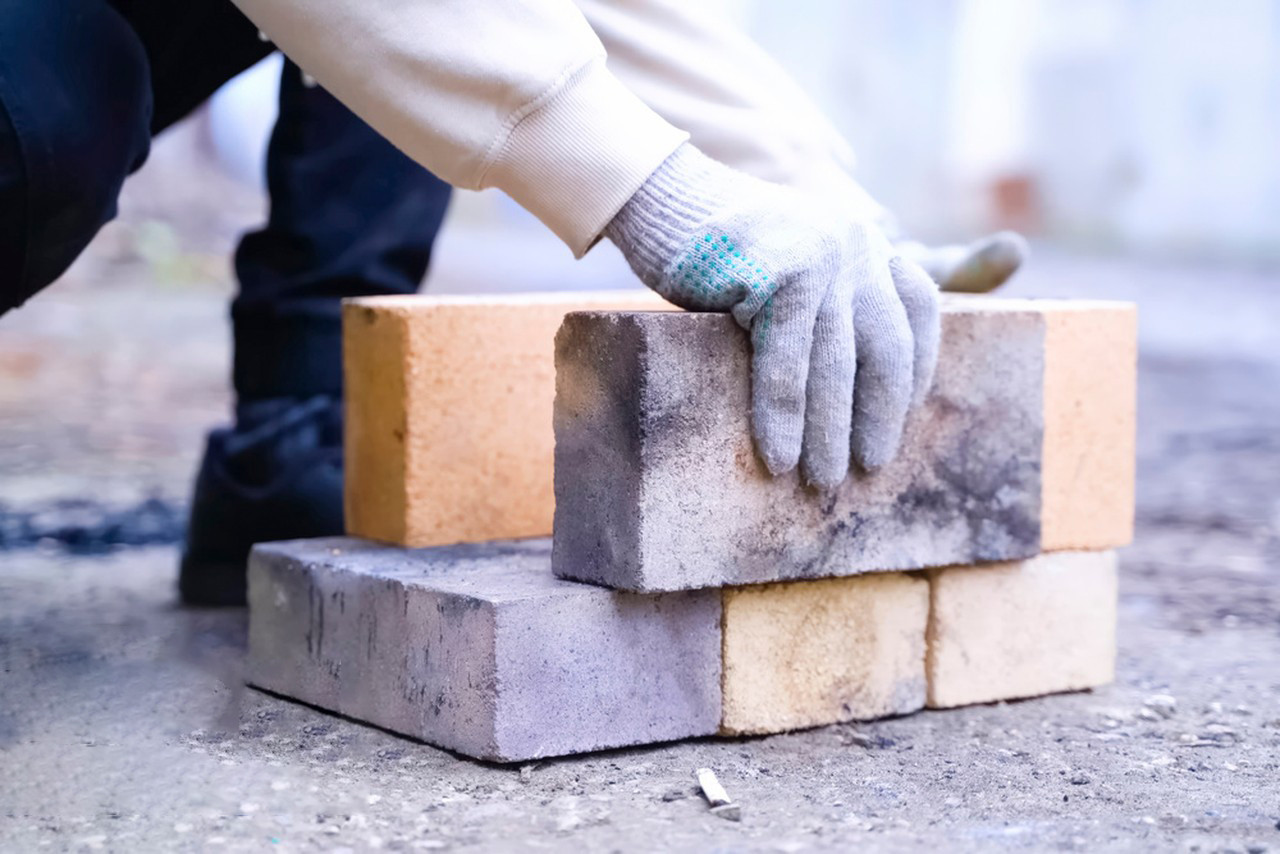
Technically, the performance of DBM 97 MgO directly impacts the lifespan and thermal shock resistance of refractory linings. Dead burned magnesia produced through high-temperature shaft kilns or rotary kilns exhibits a low reactivity with slag and high bulk density, usually above 3.25 g/cm³. Industries are progressively shifting towards larger crystal sizes and optimized CaO/SiO₂ ratios to withstand harsh basic slag environments. For downstream buyers looking for refractory magnesia bulk, it is essential to evaluate the lime-to-silica ratio and the periclase crystal size, which determine the hot modulus of rupture. mgso4, with its four electric melting furnaces and six light-burning kilns, integrates the upstream calcination chain to offer DBM with B.D. ≥3.20 g/cm³ and consistent crystal structure. This gives cement and steel manufacturers confidence in achieving longer campaign lives.
Beyond conventional steelmaking, dead burned magnesite uses are expanding into non-ferrous metal processing and waste incineration boilers, where corrosion resistance is paramount. The global push for net-zero emissions is also driving innovation in magnesia for steelmaking, as refractory designs that save energy through thinner, more durable linings gain traction. CNMGO Group Limited combines a designed capacity of 30,000 tons per year of large crystal fused magnesia with its DBM output, enabling one-stop supply. Our quality control system ensures that each batch of dead burned magnesia meets the stringent physical and chemical specifications demanded by international refractory formulators, helping partners maximize furnace efficiency and cut downtime.
CNMGO Group Limited. We have a profound understanding of the different needs of different customers, and our dead burned magnesia products, including some high-quality DBM 97 MgO, are derived from a strict quality control system, ensuring that the purity, density, and slag resistance of each batch of products meet high standards, helping customers maximize production potential and economic benefits.
if you are interested in our products, you can contact us directly through the mailbox, if necessary, you can also use WhatsApp for quick consultation.
————————————————————————————————————————————————————————————————
[Platform release disclaimer]
This platform part of the article picture source or adapted from the Internet, the main purpose is to share information, so that more people get the information they need, the copyright belongs to the original author, such as infringement of your rights and interests or copyrights, please let us know in time, we will be deleted within 24 hours!