
Fused Magnesia vs Dead Burned Magnesia
Fused Magnesia vs Dead Burned Magnesia
Specifying refractory magnesia almost always comes down to two candidates: fused magnesia (FM) and dead burned magnesia (DBM). Both are high-MgO, low-reactivity periclase products made from magnesite, both are sold in graded fractions from 325 mesh up to 15 mm, and both end up in basic refractories. They are, however, made by fundamentally different routes, and that difference shows up in crystal size, bulk density, slag resistance and price. Choosing correctly extends campaign life; choosing badly either wastes money on purity you do not need or shortens a campaign that should have lasted longer.
How the Two Grades Are Made
DBM is produced by sintering. Magnesite, or a lightly calcined intermediate, is fired in shaft or rotary kilns at roughly 1500-1800 C. At those temperatures periclase grains grow, pores close and reactivity falls to near zero. Many plants run a two-stage route - light burn, briquetting, then dead burn - to reach the target density from a given ore. The result is a hard, dense grain that is crushed, screened and milled into the fractions refractory makers order.
Microstructure: Why Crystal Size Decides Performance
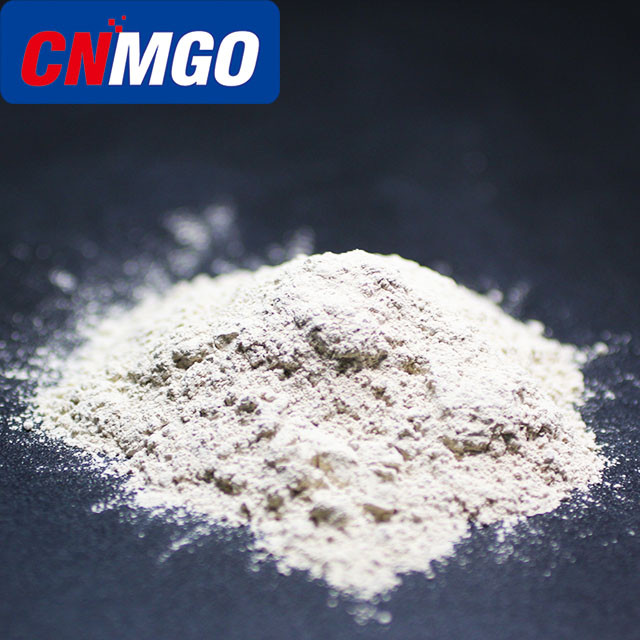
The decisive difference is periclase crystal size. Sintered magnesia typically shows crystals measured in tens of microns; fused material regularly reaches several hundred microns and beyond. Larger crystals mean fewer grain boundaries, and grain boundaries are the paths by which slag infiltrates a refractory. This is why fused grain resists slag penetration better even when the MgO headline figure is similar. That structure also drives the physical data: sintered DBM commonly lands around 3.20-3.35 grams per cubic centimetre bulk density with apparent porosity in the mid single digits, while fused magnesia typically reaches 3.40-3.55 with markedly lower open porosity. Higher density raises thermal conductivity, which is useful in hearths and undesirable in backup insulation.
Chemistry and the Numbers on the COA
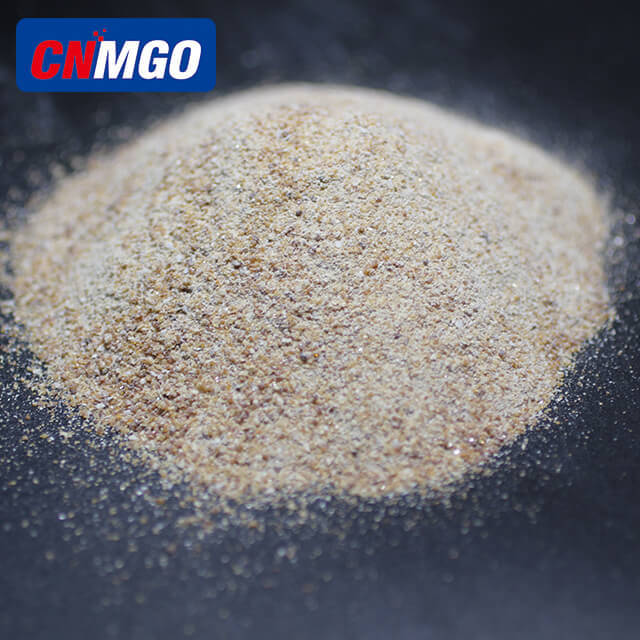
MgO content alone does not rank the two. The CaO to SiO2 ratio and the levels of Fe2O3 and Al2O3 matter just as much, because silicate phases at the grain boundaries are the first thing to melt under service conditions. A CaO/SiO2 ratio near 2:1 pushes those low-melting phases toward higher temperatures and keeps the bond structure intact. Commercially you will see roughly 90-92 percent MgO for general ladle grades, 94-96 percent for higher duty, and 96-99 percent for fused and premium sintered material. When qualifying a source, ask for a lot-specific COA with the full impurity panel, not a typical analysis sheet.
Where Dead Burned Magnesia Is the Right Choice
DBM remains the workhorse of the industry. Cement kiln burning zones, lime kilns, glass furnace regenerators, ladle working linings, non-ferrous converters and most gunning and repair mixes run on sintered magnesia because the duty does not justify fused prices. Monolithic castables and dry vibration mixes also tend to prefer sintered grain, since the finer crystallite structure sinters more readily in situ. Where a lining is a scheduled consumable rather than a campaign-critical asset, DBM delivers the best cost per tonne of service by a wide margin.
Where Fused Magnesia Earns Its Premium
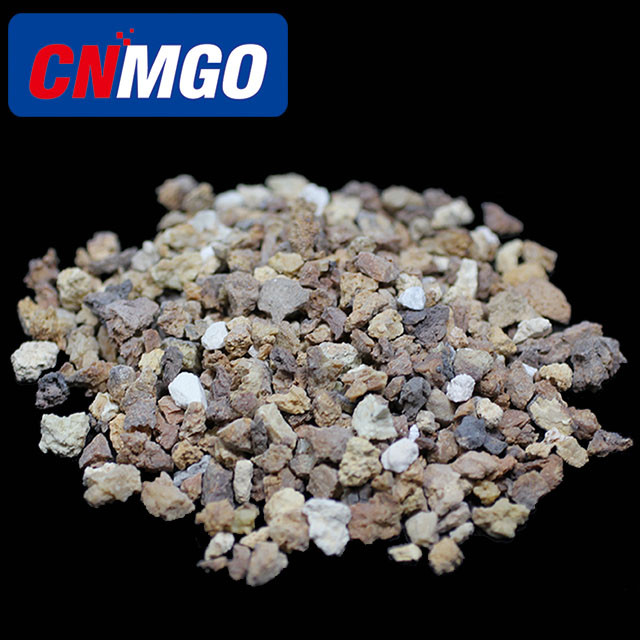
Fused magnesia earns its premium where temperature, slag chemistry and thermal shock combine. Electric arc furnace hearths and sidewalls, converters, and steel ladle slag lines specify fused grain because infiltration resistance there converts directly into extra heats. Magnesia-carbon bricks for BOF and EAF service are built on large-crystal fused grain with graphite and metallic antioxidants. High-purity fused material is also preferred in tundish and continuous casting zones where steel cleanliness matters, and in advanced ceramics, crucibles and electrical heating element fill, where high purity and thermal conductivity are specified rather than merely desirable.
Cost, Energy and Lead Time
Electric arc fusion consumes on the order of a few thousand kilowatt-hours per tonne, so power tariffs move FM prices faster than DBM prices, which track fuel and ore cost more closely. Commercially, fused material carries a visible premium over sintered grain of similar MgO - large enough that substituting down in non-critical zones is always worth evaluating. Lead time differs as well: DBM kiln campaigns run continuously and are easier to slot in, while fusion campaigns are planned in discrete blocks with long cooling and sorting cycles, so fused orders need more notice. Grain availability is a further practical point - very coarse fused fractions and high-purity fused fines are produced in smaller quantities than standard sintered sizes.
HOLY Perspective
HOLY (CNMGO Group Limited) manufactures both families at Dashiqiao in Liaoning, supplying DBM powder 325 mesh, DBM granular 0-4 mm and lump 3-5 and 5-15 mm, plus FM powder and FM granular, exported from Dalian to more than 50 countries. Our practical advice for refractory buyers is to qualify on crystal maturity, CaO/SiO2 ratio and bulk density together with MgO, then reserve fused grain for the zones where slag penetration actually limits the campaign. Send us your MgO target, impurity limits and grading schedule and our team will quote a matched programme.