
HS Codes and Import Duties for Magnesium Oxide
HS Codes and Import Duties for Magnesium Oxide
Customs classification is one of those topics that only gets attention when something goes wrong, and by then the container is already sitting at the port accruing demurrage. Magnesium products are not difficult to classify, but they do sit across several headings, and the distinction between them - calcined versus fused, oxide versus sulphate, industrial versus fertiliser - changes the duty line, the certificate requirements and sometimes the trade remedy exposure. Getting it right before shipment is considerably cheaper than fixing it afterwards.
The Main HS Families for Magnesium Products
Magnesium oxide products cluster under heading 2519, which covers natural magnesium carbonate (magnesite), fused magnesia, dead-burned or sintered magnesia, and other magnesium oxide whether or not pure. Natural, uncalcined magnesite sits in 2519.10, while everything calcined or fused falls into the 2519.90 family. National tariffs subdivide that further: United States HTS lines distinguish 2519.90.10 for fused magnesia and dead-burned (sintered) magnesia, 2519.90.20 for caustic calcined magnesia, and 2519.90.30 for other magnesium oxide. The EU Combined Nomenclature uses a similar structure, with separate lines for fused and dead-burned magnesia, for caustic calcined magnesite, and for other magnesium oxide.
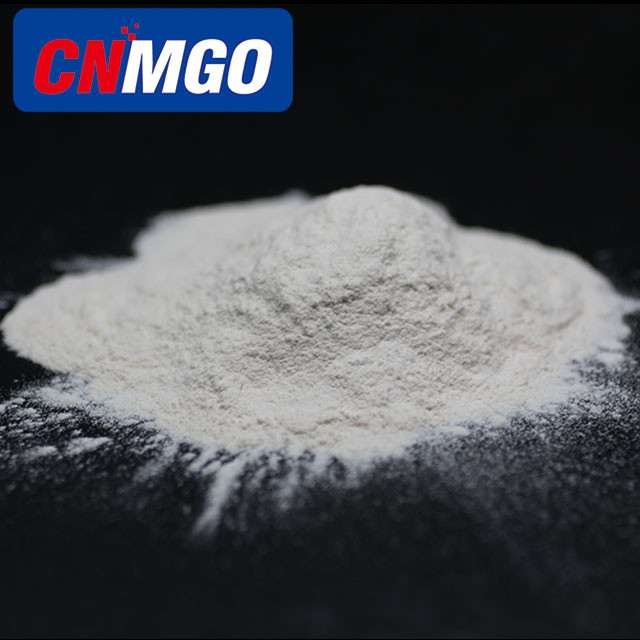
Classification depends on how the material was made and what it is, not on what the buyer calls it or what it will be used for. Caustic calcined magnesite is lightly calcined, reactive material - that is a different subheading from dead-burned or sintered magnesia, which is fired to high density and very low reactivity, and different again from fused magnesia made by melting in an electric arc furnace. The practical risk is a shipment classified as "magnesium oxide" generically and then queried at destination, particularly where duty rates differ between the lines. Always declare the process: calcined, dead-burned or fused.
Magnesium Sulphate Sits Elsewhere Entirely
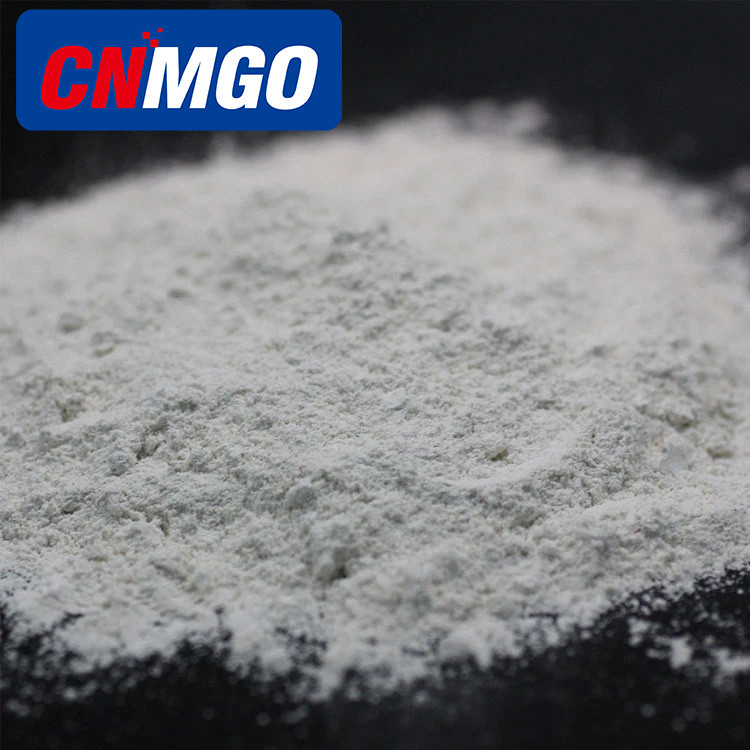
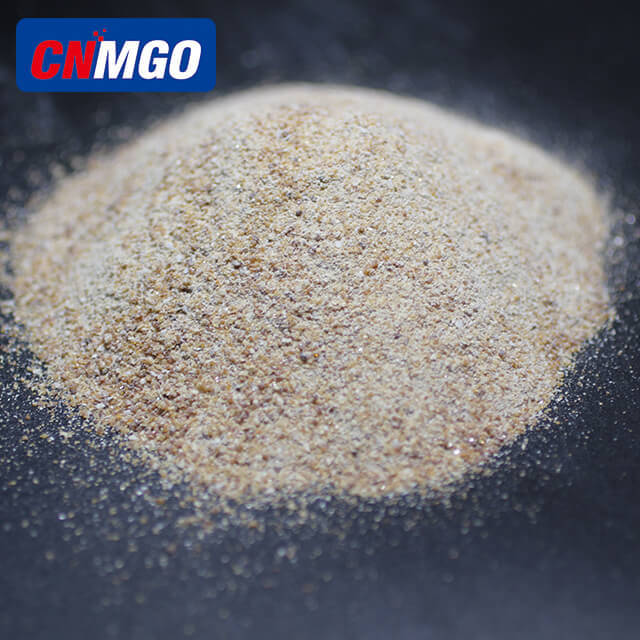
Magnesium sulphate is a different chemical family and a different chapter. Synthetic magnesium sulphate is generally classified under 2833.21, the line for sulphates of magnesium, within the chapter covering sulphates, alums and peroxosulphates. Natural kieserite and epsomite, where they are declared as natural magnesium sulphates, can fall under 2530.20 instead. Fertiliser-declared magnesium sulphate is sometimes accepted under Chapter 31, generally in the 3105 residual fertiliser lines, depending on the destination and on how the product is presented and labelled. Because the same drum can plausibly land in three places, confirm the treatment with your broker or seek a binding ruling before the first shipment.
Duty Rates by Destination
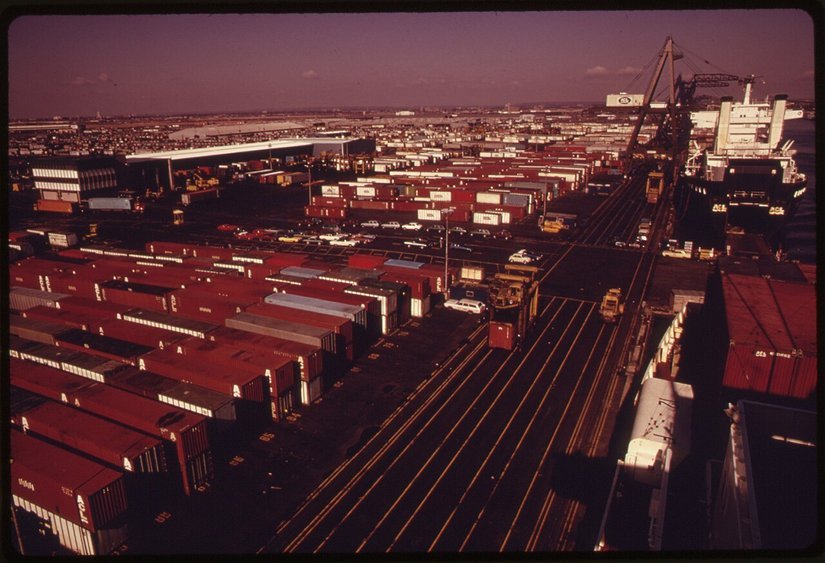
Most major markets apply low or zero most-favoured-nation duty on industrial mineral inputs, but the effective landed cost is rarely just the ad valorem rate. Budget for import VAT or GST, which is usually recoverable for registered importers but still a cash-flow item, plus port and terminal handling, customs brokerage, and any environmental or statistical levies. Where the MFN rate on a magnesia line is in the low single digits, the administrative cost of an origin certificate that removes it entirely may exceed the saving - which is why the preference decision should be made line by line, not applied reflexively to every shipment.
Preference, Free Trade Agreements and Rules of Origin
China is party to a wide network of agreements - RCEP, the ASEAN-China FTA with its Form E certificate, and bilateral agreements with Korea, Australia, New Zealand, Chile, Peru, Pakistan, Switzerland, Iceland, Georgia, Costa Rica and several others. Each has its own certificate format, its own rules and its own deadline, and most require the certificate number to appear on the commercial invoice. The rules of origin themselves usually take the form of a change in tariff classification, a regional value content threshold - commonly around 40 percent - or a specific manufacturing process. A magnesia producer calcining imported ore should verify how the relevant agreement treats that transformation, because results differ between agreements, and a rejected certificate converts into back duty plus penalties.
Anti-Dumping, Countervailing and Other Remedies
This is the area with the largest financial exposure and the shortest shelf life. Trade remedy measures on magnesium products - anti-dumping and countervailing duties on magnesia-carbon bricks and on certain magnesia products in the EU, the United States, India and other markets - are periodically initiated, reviewed, extended or allowed to lapse. Section 301 and equivalent tariff programmes can also apply to Chinese-origin mineral products independently of any dumping finding. Rates and product scopes change, and they are specific to both the importing country and the exact product description. Check the current measures with your broker or the authority's public register before every annual programme, and never rely on last year's answer.
Documentation and Practical Customs Tips
Paperwork consistency is what actually clears a shipment. The commercial invoice, packing list, bill of lading, certificate of origin and certificate of analysis should all describe the same product with the same HS code, the same net and gross weights and the same country of origin. Include the declared MgO content on the invoice - it materially supports the classification. Confirm that wood pallets carry ISPM-15 treatment marking, supply a safety data sheet where the destination requires one, and keep the COA on file, since several markets treat it as part of the import record for mineral and fertiliser products. For any new product or a new destination, apply for a binding tariff ruling in advance; it is inexpensive and it removes the ambiguity permanently.
HOLY Perspective
HOLY (CNMGO Group Limited) exports CCM, DBM, FM and magnesium sulphate from Dalian to more than 50 countries and supplies the commercial documents importers need - lot-referenced COA, packing declaration, certificate of origin and any FTA certificate requested with the shipment. We are not customs brokers, and our standing advice is to confirm the HS line and current trade remedy position for your specific product and destination with your own broker before contracting. Send us the product, grade and destination and we will supply the technical description and documentation set that supports your filing.