
Animal Feed Magnesium for Dairy and Poultry
Animal Feed Magnesium for Dairy and Poultry
Magnesium is the mineral most often short-changed in ruminant and poultry rations, usually because deficiency symptoms appear suddenly rather than gradually. For dairy herds the cost of a magnesium shortfall is measured in metabolic disorders around calving; for poultry it shows up as poor bone development, reduced growth and, when overdosed, wet litter. Getting the source right is a formulation decision, not a commodity purchase.
Why Dairy Requirements Peak at Transition
Lactating and dry cows typically need magnesium at around 0.20-0.30 percent of dry matter, rising to roughly 0.35-0.40 percent for close-up dry cows. That step-up matters because low blood magnesium reduces the cow's ability to mobilise calcium, which is directly implicated in milk fever at calving. Supplementing through the transition period is standard practice on well-run herds, and magnesium source availability is what determines whether it actually works.
MgO Versus Magnesium Sulphate in Ruminants
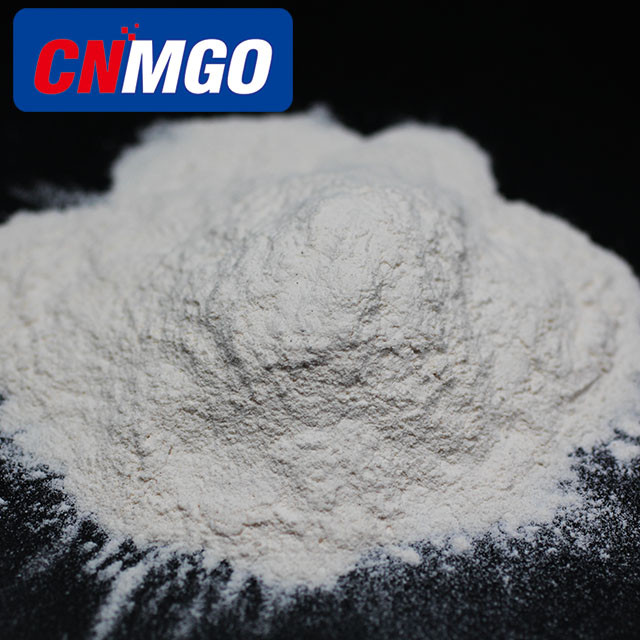
Feed-grade magnesium oxide is the usual ruminant choice. It has high magnesium density, meaning lower inclusion rates, and it contributes rumen buffering useful in high-concentrate and high-silage diets where subacute acidosis is a risk. Its limitation is solubility: reactivity varies widely between grades, so a very dead-burned material passes through undissolved. Magnesium sulphate monohydrate (kieserite) is fully soluble in water and therefore rapidly available, making it the preferred source where a fast blood-magnesium response is needed, such as magnesium top dressing during grass tetany risk periods.
Poultry: Tighter Windows
Broilers generally require around 300-500 milligrams of magnesium per kilogram of finished feed, layers slightly more, and most cereal-soybean diets already supply much of it as a background level. Supplementation is therefore about closing a known gap, not adding generously. Rapidly soluble sulphates are preferred in premixes because absorption efficiency is higher, but excess has a laxative effect that shows up as wet litter and dirty eggs, so dose discipline matters more than source selection.
Quality Checks Buyers Should Insist On
Feed manufacture is a regulated, traceable chain, and the magnesium source must carry it. Ask for MgO content on a stated basis, loss on ignition, particle size distribution for premix homogeneity, flowability data if you run automated dosing, and heavy metal analysis - lead, arsenic and cadmium at minimum. Low heavy metals are not automatic in magnesium products, so this line item belongs in the purchase specification.
Handling and Mixing
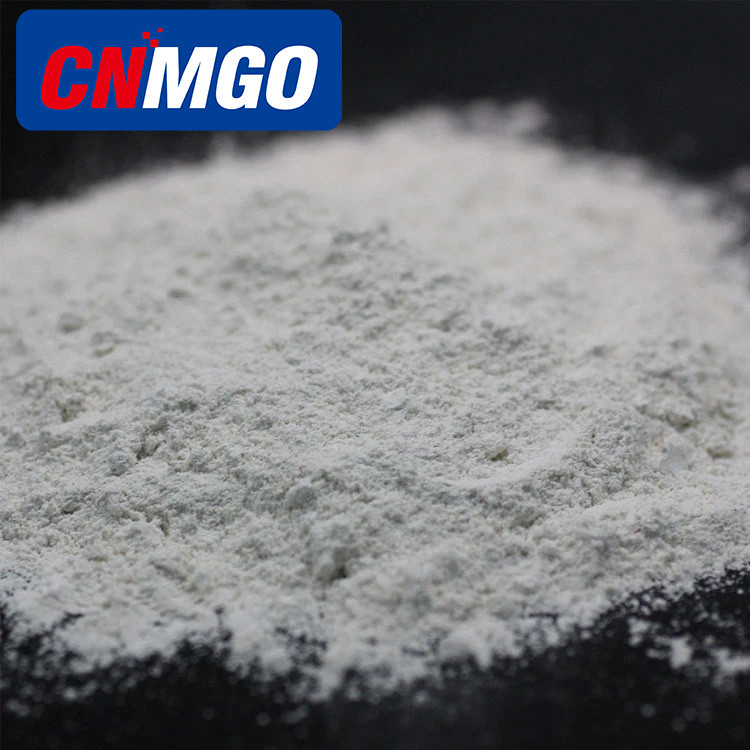
Keep magnesium materials dry and sealed. Both oxide and sulphate pick up moisture, which causes caking in silos, bridging in screw feeders and erratic dosing in micro-ingredient systems. Store pallets off the floor, rotate stock first-in-first-out, and screen incoming lots against the specified mesh so premix uniformity holds batch to batch. In mineral licks and blocks, granulated fractions resist moisture better than fine powder.
Potassium Antagonism on Pasture
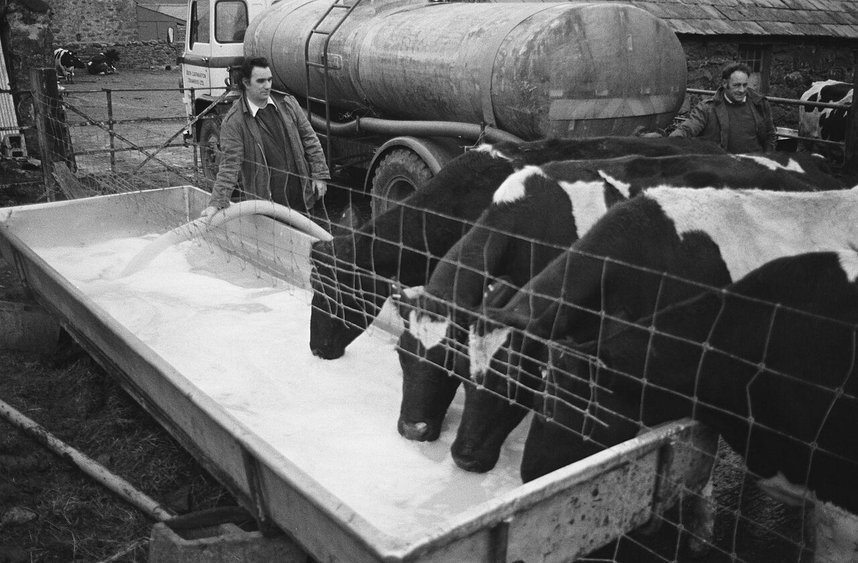
Deficiency risk peaks where it is least expected: lush spring pasture is high in potassium, and excess potassium competes with magnesium absorption in the rumen, so cows grazing vigorously growing grass can develop grass tetany even when the forage magnesium content appears adequate. High potassium from heavy potash application or slurry is the same trap. On those farms, magnesium must be supplemented daily through the transition and early lactation period rather than assumed to be met by the ration.
HOLY Perspective
HOLY (CNMGO Group Limited) supplies agricultural and feed-grade light burned magnesia alongside magnesium sulphate monohydrate, both tested for MgO content, moisture and heavy metals, exported from Dalian to more than 50 countries. Tell our team whether you formulate for ruminant buffers or fast-availability poultry premixes and we will match grade, mesh and packing to your mill.